
Solo Travel In Colombia
WELCOME TO YOUR UNFOLDING TALE OF COLOMBIA, A STORY WAITING TO BE WRITTEN BY YOU!
I’ve always wanted to visit South America. Some of my early trips centered around Europe and Asia, mainly inspired by stories I’d heard from my sisters and their own travel adventures. As a young man in my early twenties, I couldn’t wait to check my bags in for my first solo trip. Flash-forward to my late 30s, and I realized I had still not visited South America. This had to change.
My inaugural Colombian expedition in 2022 proved to be an eye-opening experience that defied my initial assumptions. The genuine warmth of the people, the kaleidoscope of diversity, and the profound cultural richness embedded in the country’s essence quickly won me over.
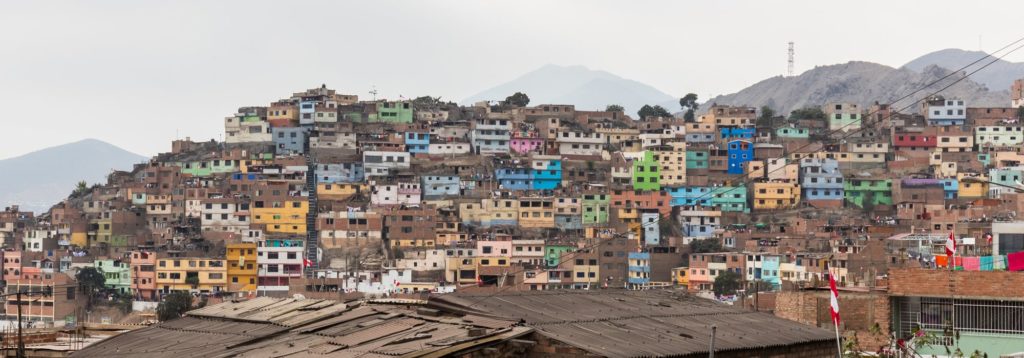
For solo travelers, Colombia unveils itself as the ultimate destination. Bustling cities like Bogotá (the capital), historical Cartagena (on the coast), and Medellín (the City of Eternal Spring) offer a kaleidoscope of unforgettable experiences waiting to be discovered. Each city has its unique own charm, creating a rhythm that will resonate with your adventurous spirit.
If you’re a digital nomad, Colombia offers a balance between work and play. In lively hostels, solo travelers congregate, eager to share stories of their Colombian escapades.
In this South American gem, solo travel is not just an option; it’s an invitation to immerse yourself in a symphony of colors, cultures, and connections. Vamos juntos! (Let’s go together!)
SETTING THE TONE: WHAT’S THE ATMOSPHERE LIKE?
Colombia, with a history marked by shadows, has undergone a profound transformation, letting go of the weight of its past to emerge as a radiant destination.
Today, it calls out to a new generation of travelers who are keen to explore the cultural richness and untamed landscapes, beckoning them to unravel the tapestry of Colombia’s resurgent spirit and forge their narratives amidst the vibrant streets, diverse traditions, and breathtaking natural wonders that define this dynamic nation.
Colombia’s vibe is like an amazing mix of culture and nature that you just have to see for yourself!
EXPLORING COLOMBIA: A SOLO TRAVELER’S DELIGHT
Bogotá: A Fusion of Modernity and Timeless Charm
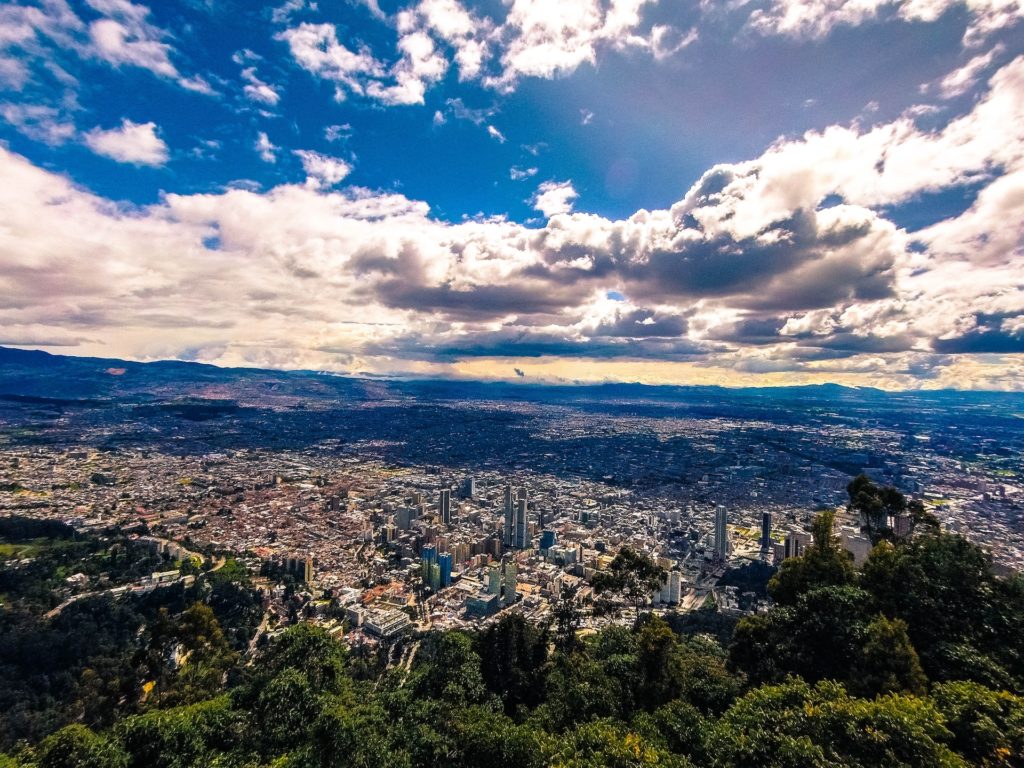
When you’re 10,000 ft. up on Monserrate, it’s like seeing the whole vibe of Bogotá laid out below – all the city buzz mixing with that classic charm. It’s like having a front-row seat to the grand spectacle.
Bogotá is a city pulsating with energy. A city with a rich history and a slew of diverse experiences waiting to be explored.
Ascend Monserrate for a breathtaking panorama, where the cityscape becomes a canvas of possibilities. Discover the historic tales woven into Plaza Bolívar’s cobblestones, where every step resonates with the heartbeat of Bogotá. Immerse yourself in cultural richness at the Gold and Botero Museums, where art transcends time and captivates the soul.
This city’s artistic heartbeat extends beyond museums; it resonates through the streets and flavors of its gastronomic culture. From trendy cafes to traditional markets, the city’s culinary scene is a feast for every palate.
Bogotá is more than a destination; it’s an urban symphony waiting to be explored, a perfect haven for those seeking a vibrant blend of art, culture, and gastronomy.
Cartagena: Historic Charm by the Caribbean Sea
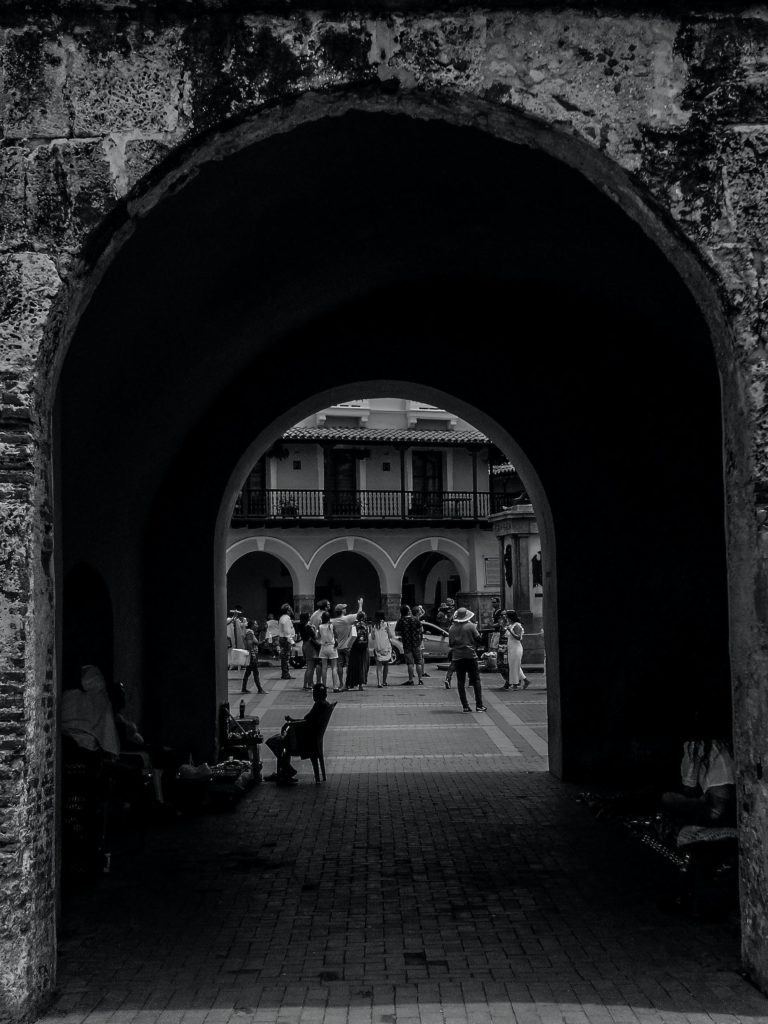
As you step through the main gate into Cartagena’s old historic district, you are greeted by the embrace of centuries-old stone walls, whispering tales of bygone eras. The vibrant facades of colonial buildings line the narrow streets, adorned with bougainvillea, inviting solo travelers to wander through a living canvas of history and charm.
Transport yourself to the historic gem of Cartagena, a city where the echoes of centuries past reverberate through charming cobblestone streets.
Your journey will unveil the historic charm of Cartagena, as you discover its colonial architecture, vibrant plazas, and the rhythmic sway of Caribbean music that fills the air.
Envision immersing yourself in the timeless allure of a city where each corner tells a story, inviting you to step into the pages of history.
The Lost City: Trekking to “Ciudad Perdida” in the Sierra Nevada Mountains
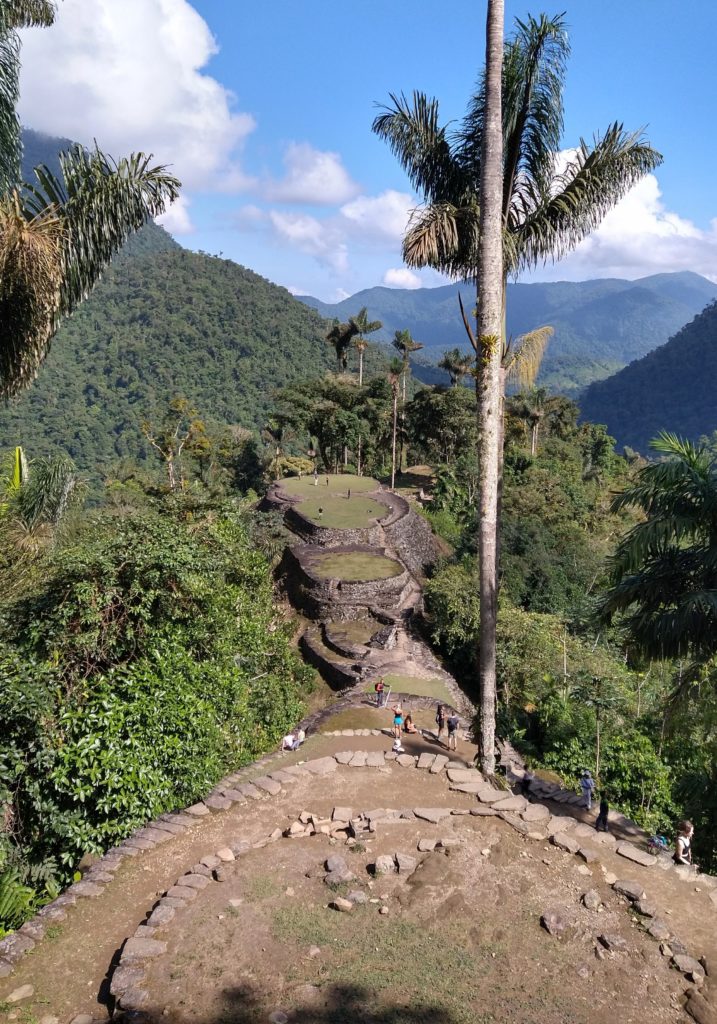
At the end of a 4-day trek, reaching the final peak at Ciudad Perdida. An unforgettable view reveals itself, unfolding ancient terraces below, and creating a mesmerizing panorama that captures the essence of both conquering a demanding journey and discovering the secrets of a lost civilization.
Let the spirit of adventure guide you to the heart of the Sierra Nevada Mountains, where the mystical Ciudad Perdida, The Lost City, awaits.
A challenging trek through dense jungles leads to this ancient archaeological marvel, hidden amidst lush vegetation. As a solo traveler, you’ll find yourself weaving through terraced structures that echo the whispers of a once-thriving civilization, creating a profound connection with both history and the awe-inspiring natural surroundings.
Guatapé: Exploring Vibrant Colors and Majestic Views
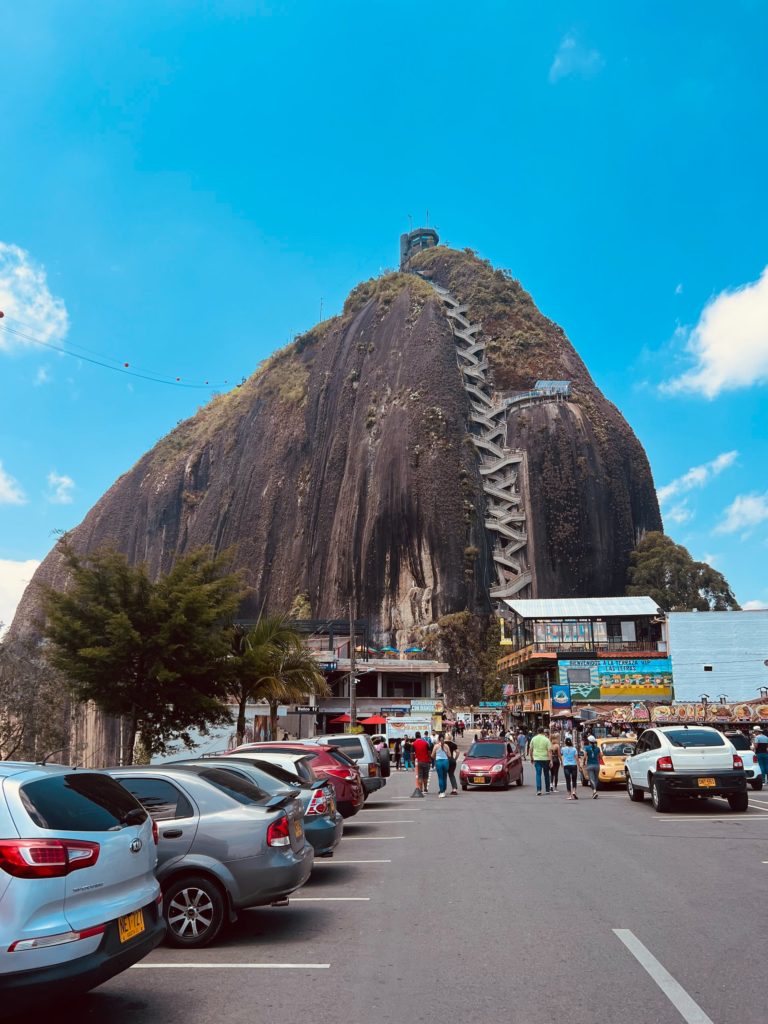
Gazing up at El Peñol in Guatapé, the sheer height of this colossal rock promises a climb filled with anticipation of breathtaking views waiting for you at the summit. You are only 740 steps away!
Nestled in the heart of Antioquia, Colombia, Guatapé is a picturesque town surrounded by a landscape adorned with rolling hills and serene lakes.
What truly sets Guatapé apart is the colossal El Peñol, a granite monolith that stretches 200 meters into the sky and offers panoramic views of the stunning countryside from its summit, accessible via 740 steps. Beyond its natural wonders, Guatapé captivates visitors with its vibrant, hand-painted zocalos (facades) adorning every building in the town.
While visiting Medellin, look for English-guided day-tours offered through many hotels or hostels.
Medellín: A City of Eternal Spring and Vibrant Contrasts
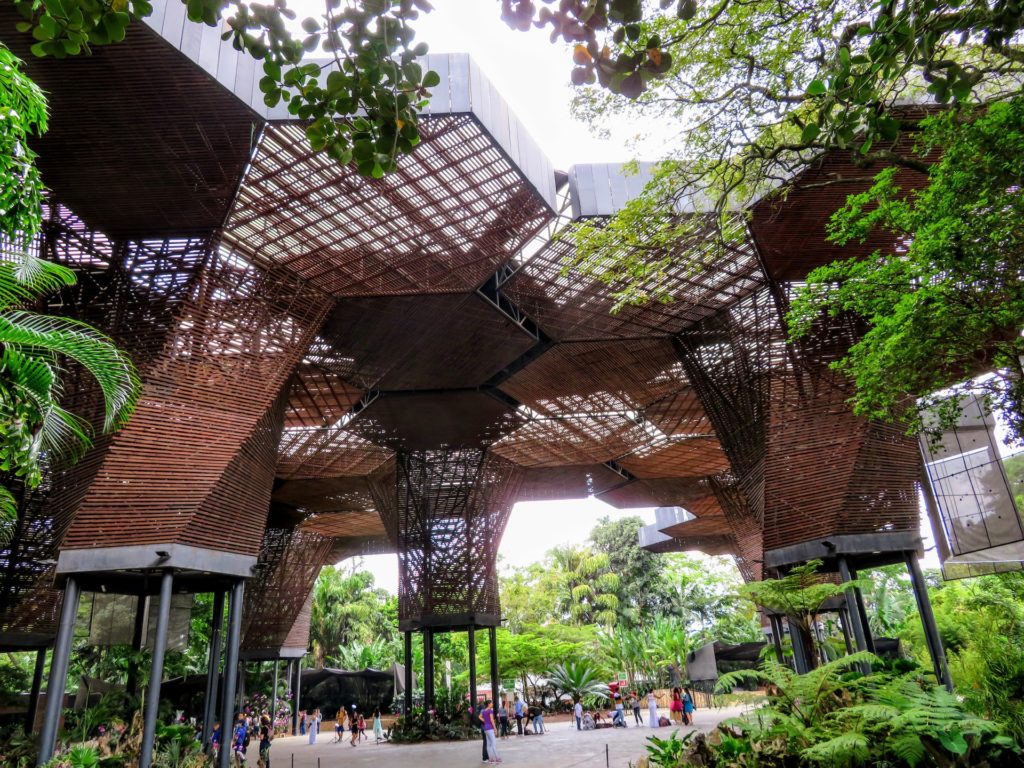
A short Uber or metro ride away from the touristy area of El Pobaldo, the botanical gardens of Medellin provide a serene escape with lush greenery and vibrant flora. Adding to its allure, the gardens transform during the annual book fair, where literature comes alive amidst the blooms, accompanied by lively street vendors and captivating live performances, creating a dynamic cultural experience. It’s especially alluring at night when hanging stings of light illuminate the fairgrounds.
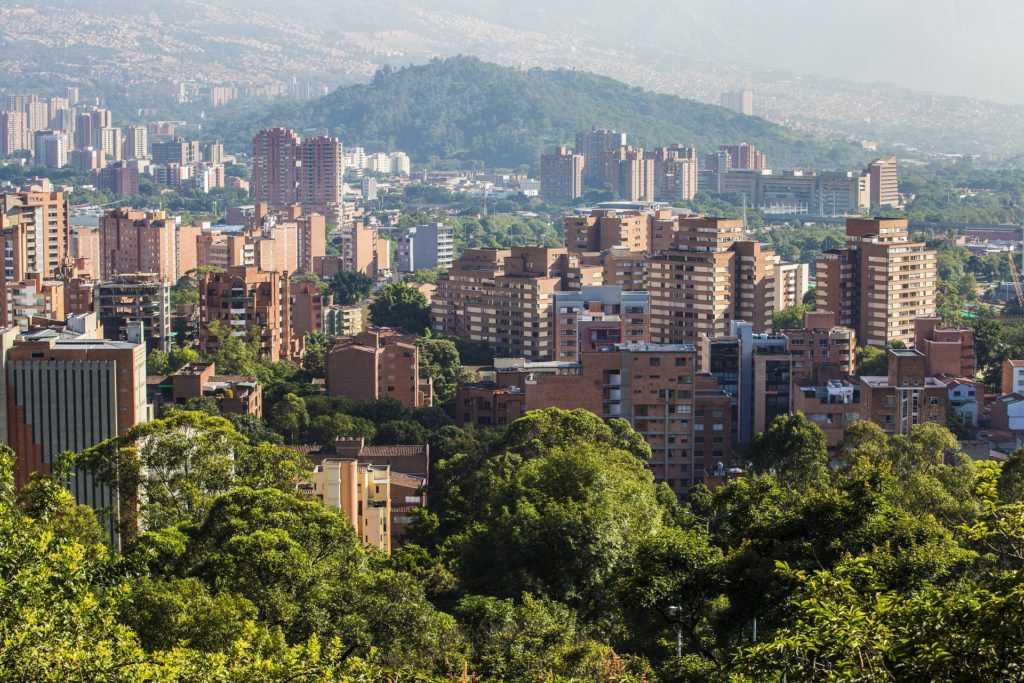
Imagine the captivating charm of Medellín, hugged by green mountains. Known as the City of Eternal Spring, for its consistent year-round temperatures that range between 22-27C (70-80F).
Wander through lively neighborhoods with colorful street art, and restaurants for every taste bud, take cable cars for stunning views, and experience the friendliness of the locals in this mesmerizing cityscape.
Medellín has seamlessly evolved into a haven for digital nomads, with its modern infrastructure, co-working spaces, and a thriving community that embraces remote work. Against the backdrop of its scenic landscapes, this Colombian city beckons those seeking a perfect blend of work and play, making it a magnet for the nomadic workforce.
FOOD: COLOMBIAN GASTRONOMY OVERVIEW
Colombia’s culinary landscape is diverse and inviting , with a wide array of mouth-watering dishes. From the coastal regions to the mountainous areas, this country’s gastronomy reflects a rich and varied heritage that entices both locals and visitors alike.
Regional Flavors
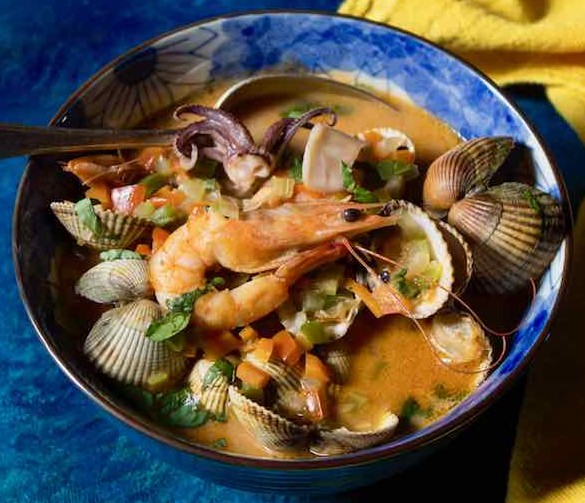
La Cazuela (the stew pot)
A warm and filling dish from mountainous regions, La Cazuela is a savory stew combining beans, pork, banana, and avocado. Minced meat and potatoes add heartiness, creating a satisfying meal served with rice and salad.
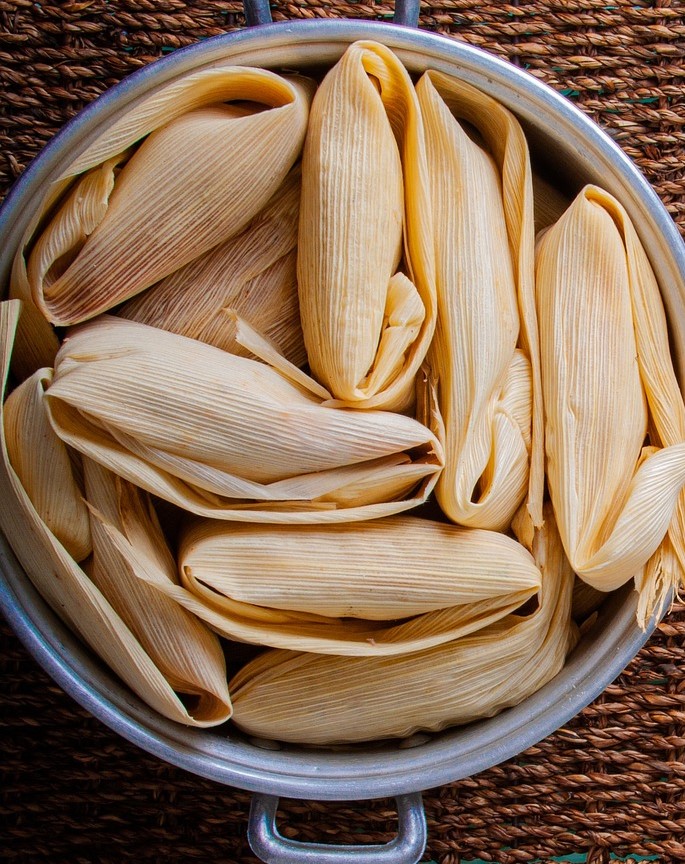
Tamales
Wrapped in banana leaves, Tamales are a staple in many Colombian households. Filled with marinated meat, cooked potato, carrot, and peas, these maize dough parcels offer a delightful blend of textures and flavors, showcasing Colombian culinary creativity.
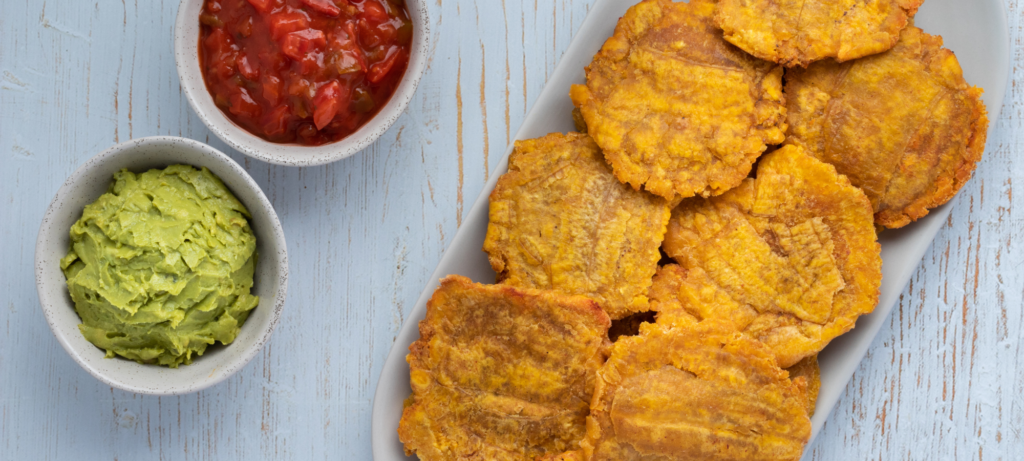
Patacones
Fried green bananas. Simple and delicious, patacones add a crispy touch to Colombian meals. Served with meat or chicken and accompanied by guacamole, these simple yet flavorful bites are a popular choice for locals and visitors alike.

Sancocho
A comforting soup featuring potatoes, yucca, bananas, and beef, Sancocho is a staple dish enjoyed across the country. Served with rice, this hearty stew embodies the heartwarming essence of Colombian cuisine.
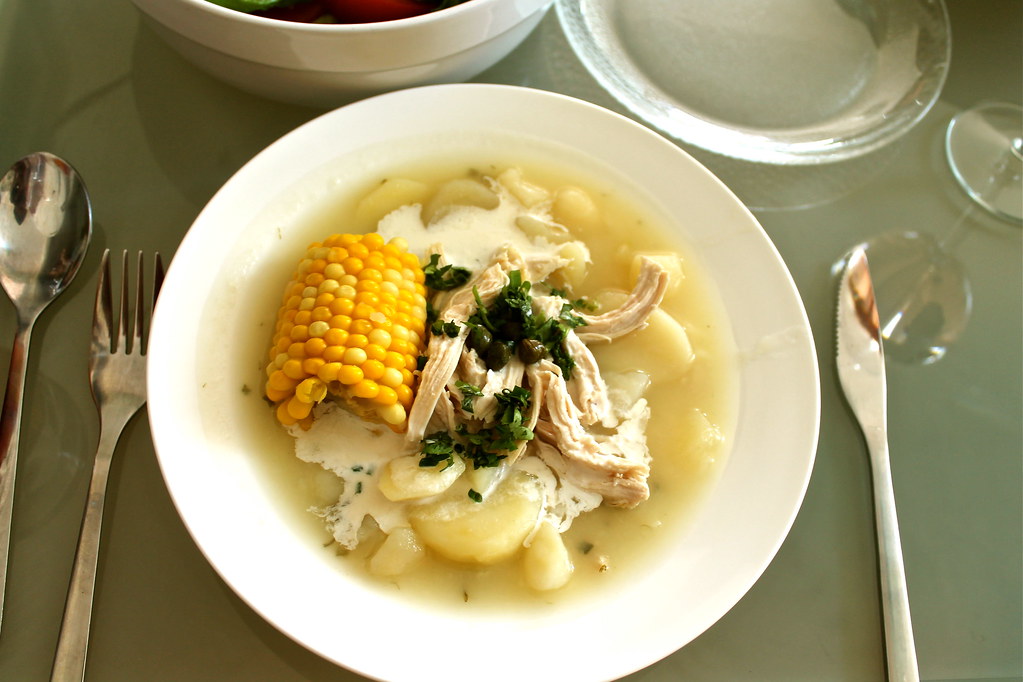
Ajiaco santafereño
Hailing from Bogotá, Ajiaco is a chicken and potato soup enriched with three kinds of potatoes, corn on the cob, and capers. Served with rice and cream, this dish offers a taste of the capital’s culinary tradition.
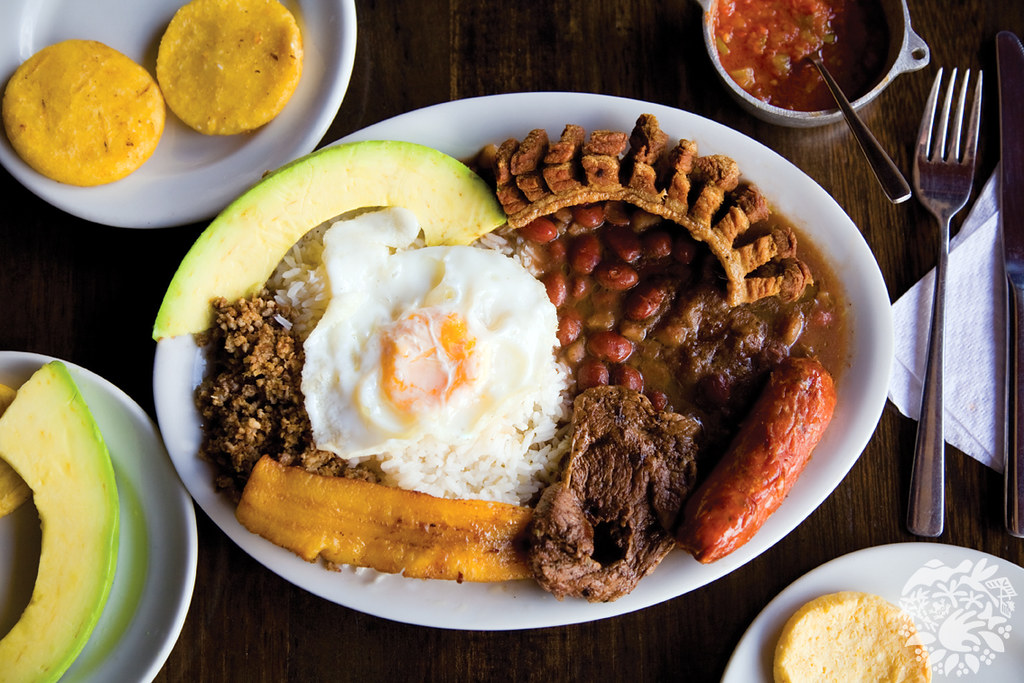
La Bandeja Paisa (the Country Platter)
A popular dish and a grand feast for the senses. La Bandeja Paisa is a substantial platter featuring beans, rice, meat, black pudding, chorizo, pork, fried egg, fried banana, and avocado. It encapsulates the hearty and diverse nature of Colombian cuisine. You will find many restaurants that offer La Bandeja Paisa. If you’re looking for that, “One Big Meal”, this is it!
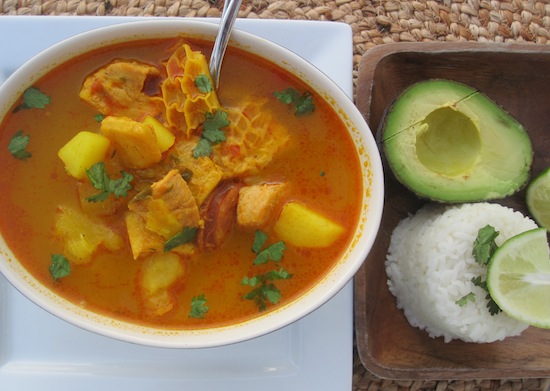
El Mondongo
Despite its unusual name, El Mondongo is a traditional Colombian soup made with cow’s intestines, potatoes, and boiled vegetables.
Fish Dishes
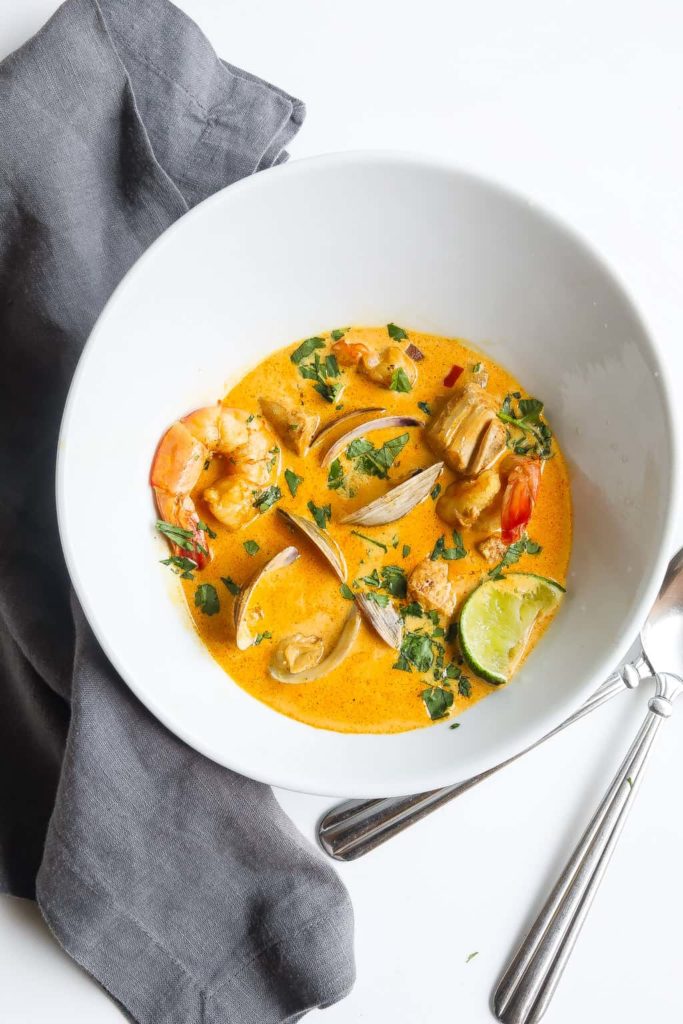
Seafood Stew
Originating from Riohacha, to the East of Santa Marta, this seafood stew brings together the flavors of the coast. In the Amazon, Pirarucú fish fillets provide a unique and regional twist to the culinary scene.
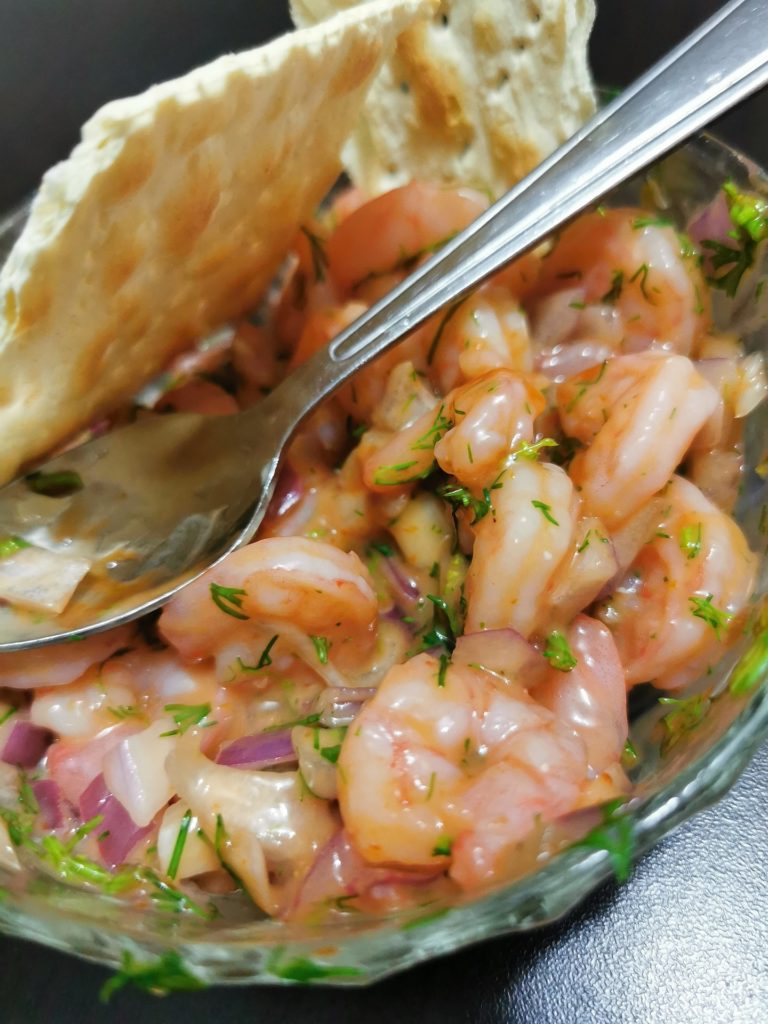
El Ceviche
A globally recognized dish, Colombian Ceviche, particularly the prawn variant, stands out with its combination of tomato sauce, lemon, onion, garlic, and spices. Served in a glass, it provides a refreshing and zesty taste of coastal cuisine. No trip to Colombia is complete without sampling some delicious ceviche, often served with fried plantain for a complimentary crunch.
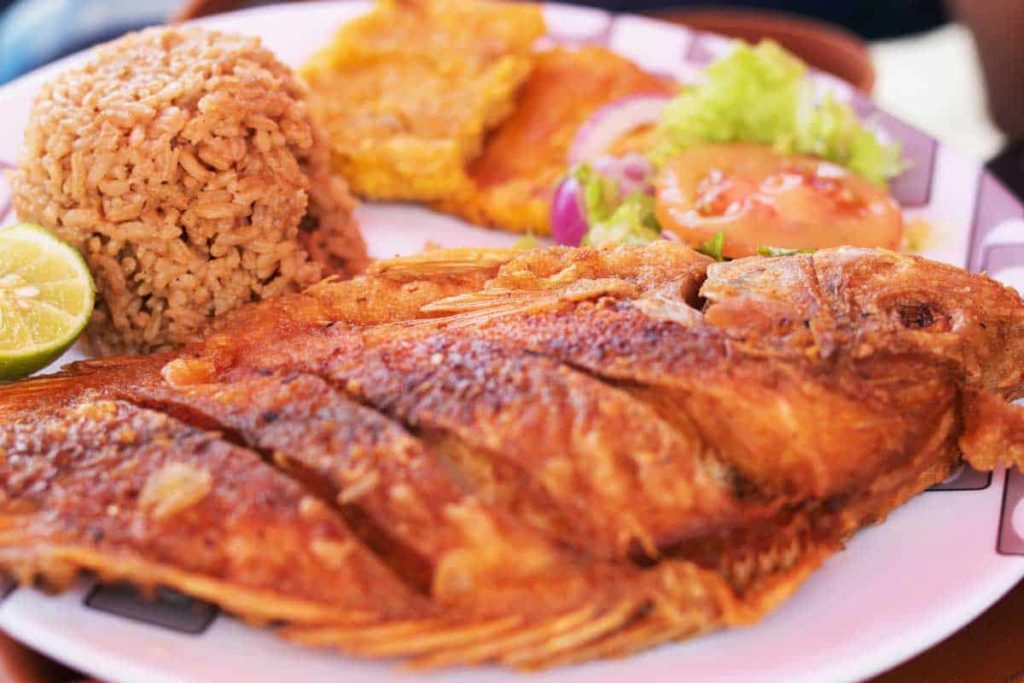
Fried Fish with Rice
From the island of Barú, this dish features coconut-flavored rice and fried bananas, complementing the freshness of the fish. A flavorsome and nutritious option. Many restaurants will serve this dish with limes that are sweeter than traditional limes found in North America, with a lime-green and bright orange inside.
Las Arepas
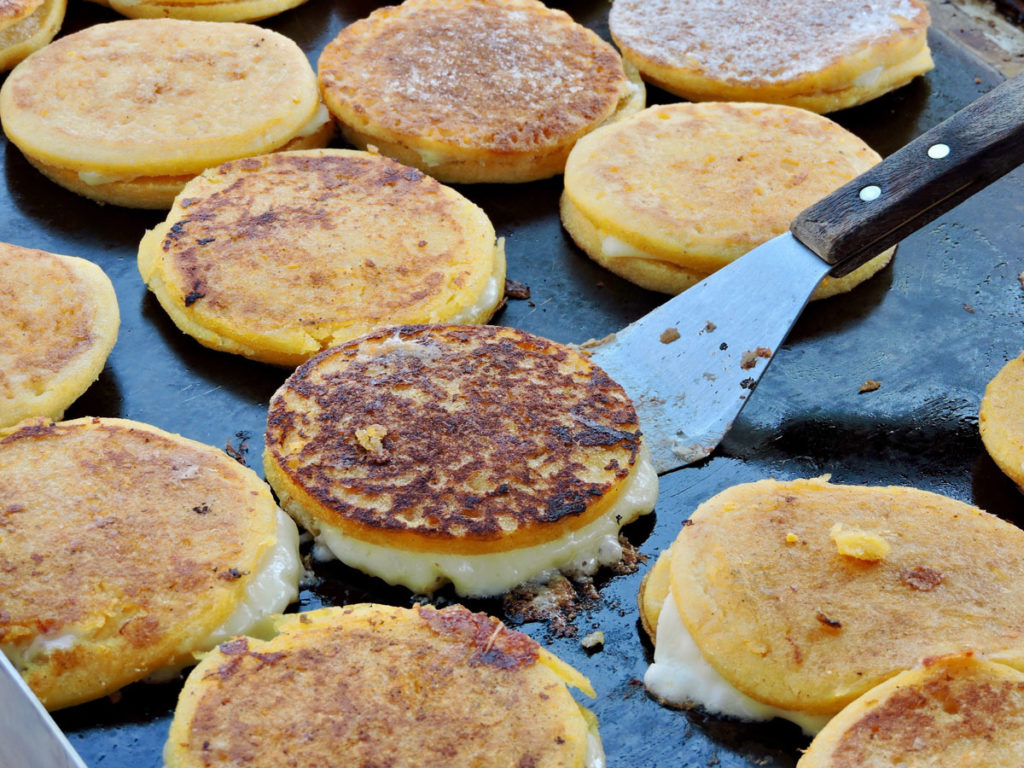
Versatile Corn Creations
Arepas, open-faced corn tortillas, showcase Colombia’s versatile approach to this staple. With various fillings and preparations, they offer a convenient and delicious option for any time of day. Looks for street vendors offering hot and fresh arepas. You’ll know you’re in the right place when you see locals lining up for a bite.
Creative Fillings and Preparations
Whether stuffed with savory ingredients or simply roasted with butter, salt, and white cheese, this local snack is a must-try.
Other Colombian Delicacies

Pan de Queso (Cheese Bread)
A cheese-infused bread that adds a comforting touch to Colombian tables.
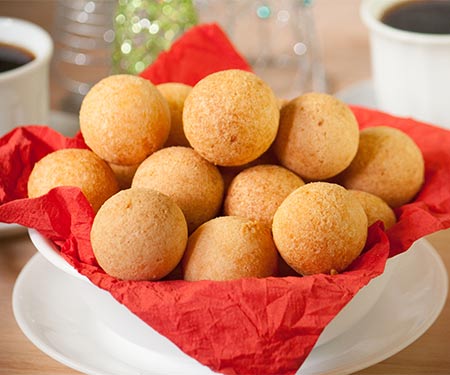
Buñuelos
Crispy on the outside and soft on the inside, Buñuelos are fried golden dough balls that satisfy the sweet tooth with a simple yet indulgent treat. You’ll often be able to order them right out of the deep fryer. For a savory craving, ask for buñuelos con queso (with cheese)
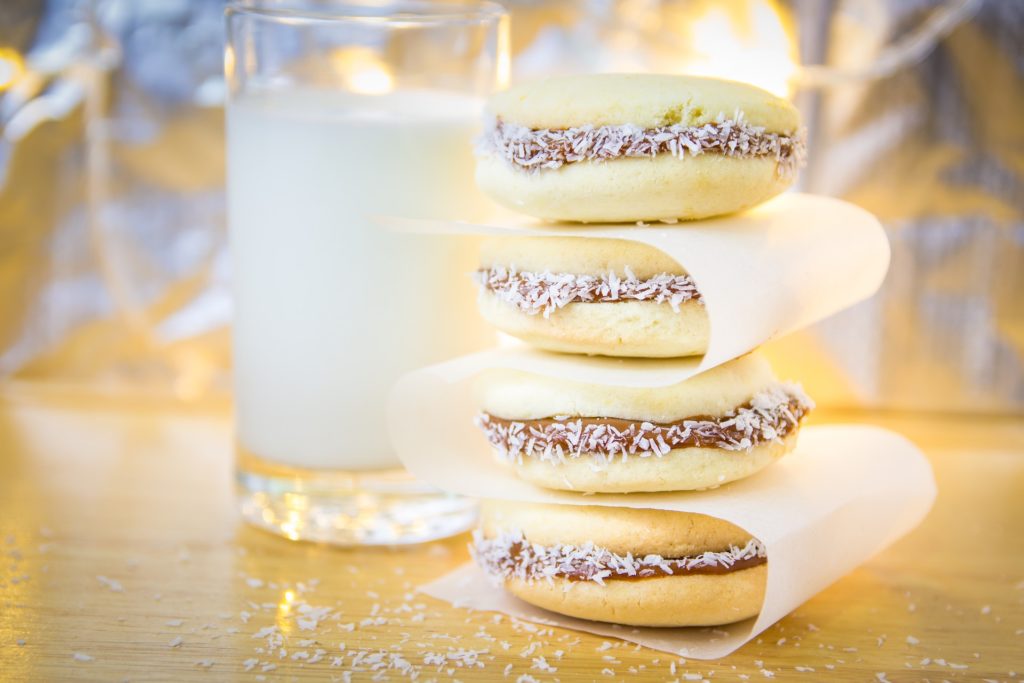
Alfajores: Sugar cookies filled with dulce de leche or arequipe
The perfect way to end a meal, alfajores are sweet pastries that showcase the rich and sweet side of Colombian dessert traditions.
Desserts
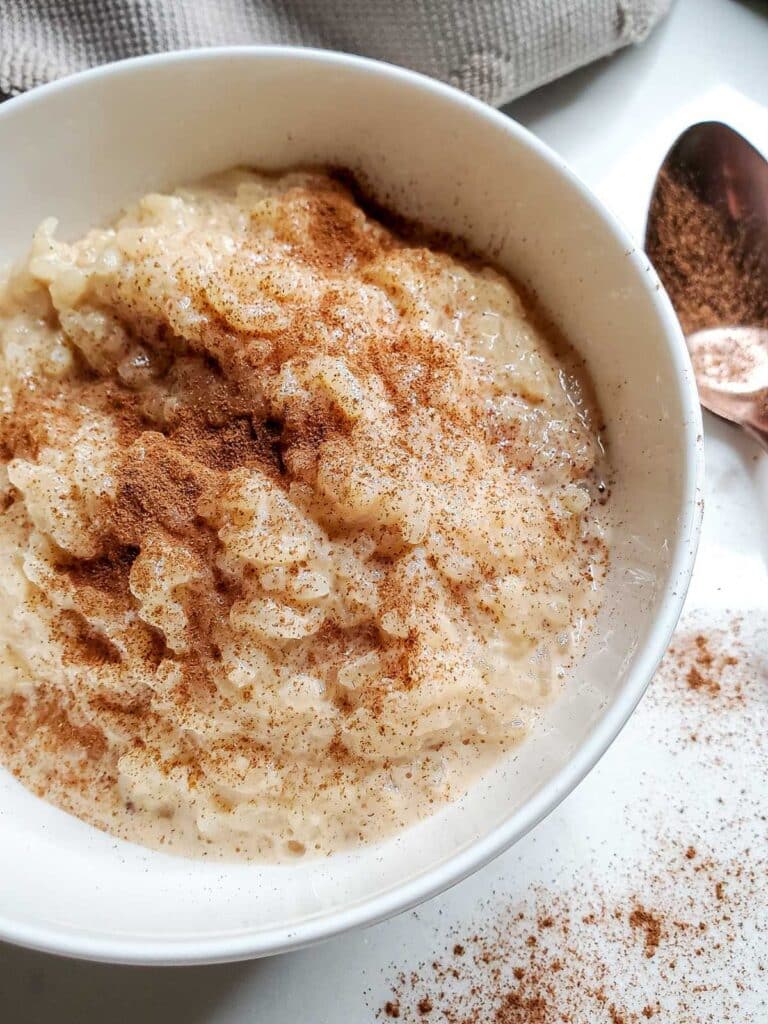
Rice Pudding
Delight in the familiar and comforting taste of Rice Pudding, a classic dessert that reflects the simplicity and sweetness of Colombian culinary traditions.
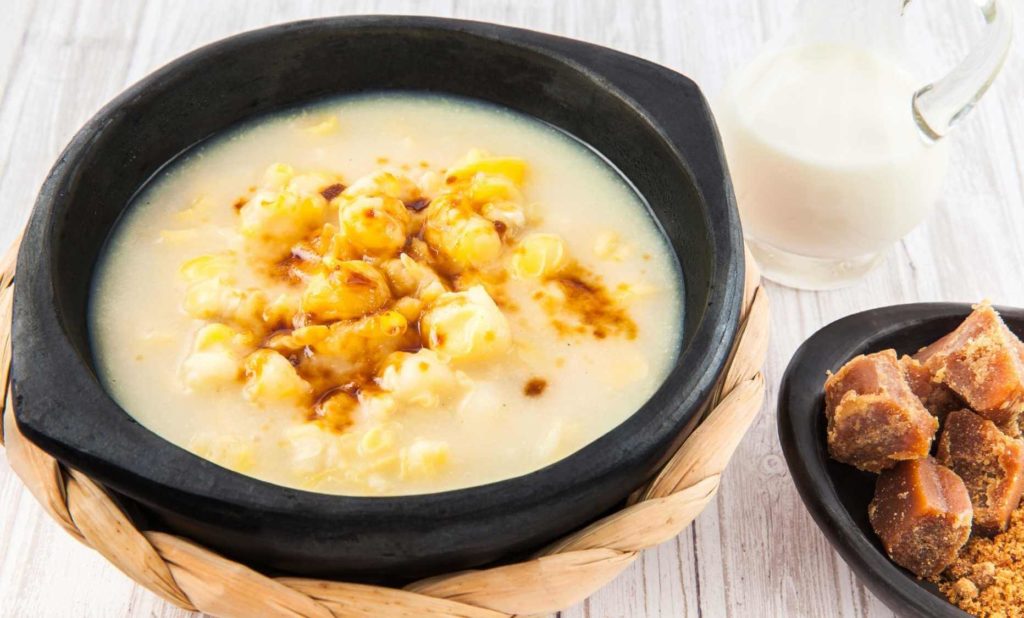
Mazamorra (Grains of Maize Cooked in Milk)
Experience the unique blend of maize (corn) and milk in Mazamorra, a dessert that captures the essence of Colombian creativity and simplicity.
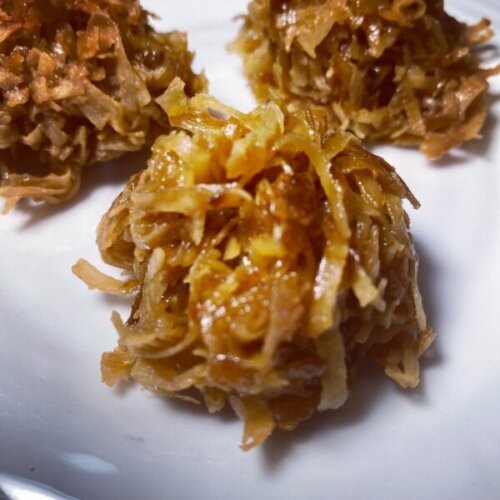
Cocadas (Coconut Dessert)
Transport yourself to the tropics with Cocadas, a coconut-infused dessert that adds a tropical touch to the Colombian dessert repertoire.
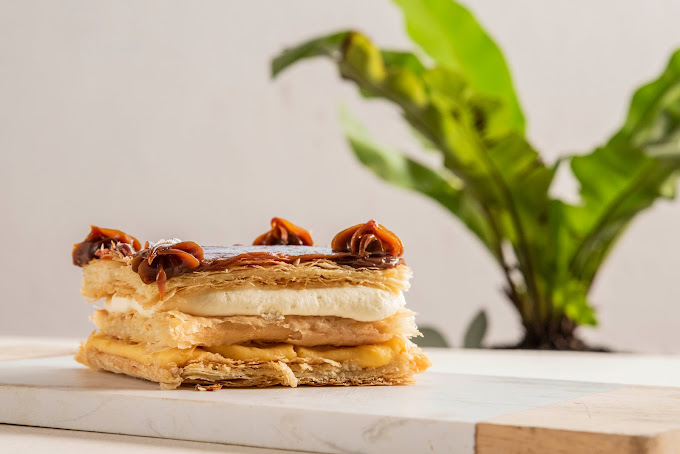
Milhojas de Arequipe
A popular dessert for your sweet tooth, and one of my absolute favorites. Milhojas are made with layers of flaky puff pastry, sweet creme, and dulce de leche. Close your eyes and savor the textures and flavors of this tantalizing dessert. Amp Chocolate in Poblado Park has a version that I’ve had with friends and as a last dessert before heading to the airport.
A Colombian Christmas Tradition: Buñuelo and Natilla
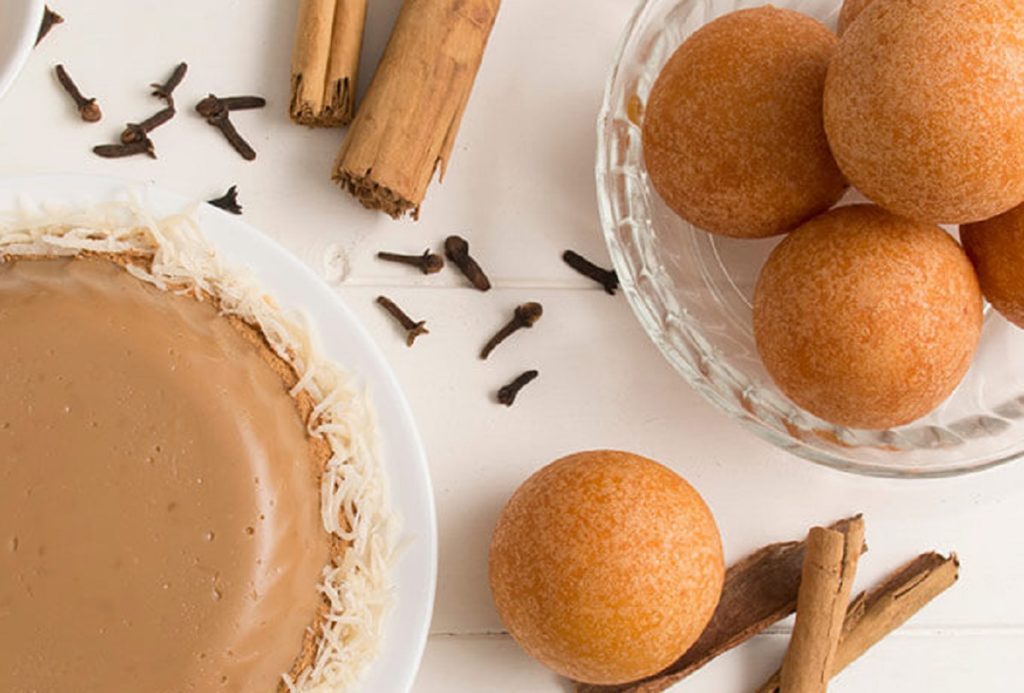
During Christmas celebrations in Colombia, families come together to create the delightful treats of natilla and buñuelos. While these desserts bear influences from Spanish and Arabic traditions, Colombia has added its own twist by incorporating corn flour into their preparation. Natilla, a creamy delight, is crafted from a blend of corn flour, milk, panela, cinnamon, and coconut. Boiled for 15 minutes and then allowed to cool, it transforms into a smooth, solid texture.
On the other hand, buñuelos, a savory counterpart, are made using corn flour, cheese, and eggs. The dough is skillfully formed into small balls, which are then fried over medium heat until they achieve a delectable golden brown hue. Once they reach this perfect crispiness, they are promptly removed from the oil. The combination of the sweet custard and the slightly salty buñuelos creates a harmonious combination, adding an extra layer of joy to the festive season.
Transportation: Getting Around
Whether you’re delving into the energetic urban life or exploring the tranquil landscapes, here’s a breakdown of major transportation modes to make your Colombian journey as smooth as possible:
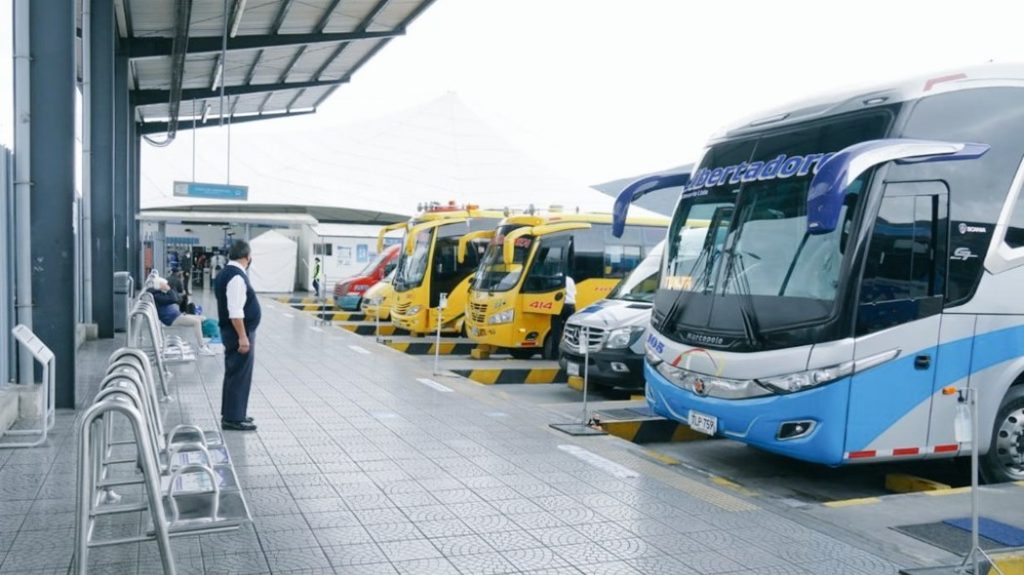
Bus: Plan ahead
Departures are pre-scheduled, so make sure you leave plenty of time to arrive at the station to buy your ticket and board your bus. The major bus terminals are large and can be confusing to navigate if it’s your first time.
For local trips within a city, you can pay cash once you step onto the bus.
For trips between cities, you will need to purchase a ticket ahead of time online or at the bus terminal (See below for a list of bus terminals in Colombia’s major cities). Once at the terminal, you can ask someone to point you in the right direction by asking: “Donde puedo comprar un billete de autobus a (Name of city, ie, Cartagena)”. (Where can I buy a bus ticket to Cartagena)
It’s normal for buses traveling between cities to stop along the route to pick up local travelers who may stand or sit in the aisles for a portion of the trip. You may also have the odd person step onto the bus for a few minutes to sell snacks like candy, cakes, or other local treats.
Traveling by bus is safe and generally quite comfortable in Colombia, but take caution and keep an eye on your belongings, especially on busy public buses.
Bus Terminals in BOGOTA, MEDELLIN, CALI, BARANQUILLA, and CARTAGENA
- Bogota: Bogota Transportation Terminal: Located at Calle 33 # 69-32
- Medellin: Terminal de Transportes de Medellín: Located at Carrera 64C # 78-580
- Cali: Cali Transportation Terminal: Located at Carrera 1 # 30-01
- Baranquilla: Barranquilla Transportation Terminal: Located at Calle 76 # 59-80
- Cartagena: Cartagena Transportation Terminal: Located at Avenida Pedro de Heredia # 30-31
Safety: Is Colombia Safe to Visit?
In short, yes. Colombia is a safe country to visit. It’s safe for adventurers. It’s safe for digital nomads. It’s safe for spiritual-seekers, for foodies, and language learners, and everyone in between. That being said, it’s important to practice caution, be aware of local customs, and not stray too far into unfamiliar territory.
Colombia has a history of crime and violence that has transformed into a landscape of art, culture, gastronomy, and natural wonders.
While crime in Colombia has decreased since the 1990’s it’s still common to hear about petty crimes like pick-pocketing and cellphone theft.

I Was Pickpocketed in Medellín: Here’s What Happened
I experienced this first-hand on my most recent trip in 2023. Having a backup phone and a local SIM card helped me get reconnected within a day.
20 Years of Travel—And My First Theft
I’ve been traveling for nearly two decades, and this was the first time I’d experienced theft. In hindsight, I was too relaxed. I had let my guard down.
It was mid-week, late at night. I was walking with five friends I met at the hostel. We were in a busy tourist area, but the streets felt unusually empty.
A Wrong Turn in Provenza
We were heading to a popular “gringo” spot in Provenza, Medellín. The area is blocked off to cars and filled with restaurants, bars, music, and hanging lights.
While chatting, we drifted off the main road and onto a parallel street. I noticed the change too late.
Something Felt Off
In touristy areas, it’s common for people to approach you—selling things, inviting you into restaurants. I usually say “No, gracias” and keep walking. They move on.
But this time felt different. We were on a side street I didn’t know. I’d walked the main road at least 20 times and never felt unsafe. Alert, yes. Threatened, no.
I planned to lead the group back to the main road at the next intersection.
The Setup
Three guys approached us. One walked straight into my space, holding large restaurant menus angled upward. I assumed he wanted to sell something.
I said “No, gracias” and tried to walk past. The other two passed by, and I heard my friends responding to them too.
But my guy didn’t leave. He stepped closer, menus covering my cross-body pack. I repeated “No, gracias,” louder this time, and side-stepped to create space. He backed off and walked away.
The Moment I Realized
He was a pro. I felt nothing—just the menus brushing my shoulder pack. I thought I was in the clear.
I looked back to check on my friends. One had a close call with his phone, but nothing was taken. We were shaken, but everyone seemed okay. We kept walking.
Two minutes later, I looked down. My zipper was open. My phone was gone.
Why I’m Sharing This
I’m not telling this story to scare you. Colombia is beautiful. It’s mostly safe. It’s full of charm. But it does require caution—especially for new travelers.
Be aware of your surroundings. Watch your belongings. I lost a phone. Yes, it sucked. I was working remotely and couldn’t do much for a few days. But it was just a phone. It was replaceable. No one was hurt.
What Happened After
I stayed in Colombia for four more weeks. No close calls. No unease. I walked freely and felt safe.
It was simply the wrong place at the wrong time. If I had let that moment define my trip, I would’ve missed out on some epic adventures.
There’s always tomorrow. Always a new lesson. A new story.
Final Thoughts
Colombia awaits. It’s a country in motion—transforming, inspiring, and reshaping how you see the world. Forge your own journey. Create lasting memories. And stay aware while you do it.
See you there.
I felt like flying out today!!
I love you Mom! We will definitely make that trip together one day soon 🙂